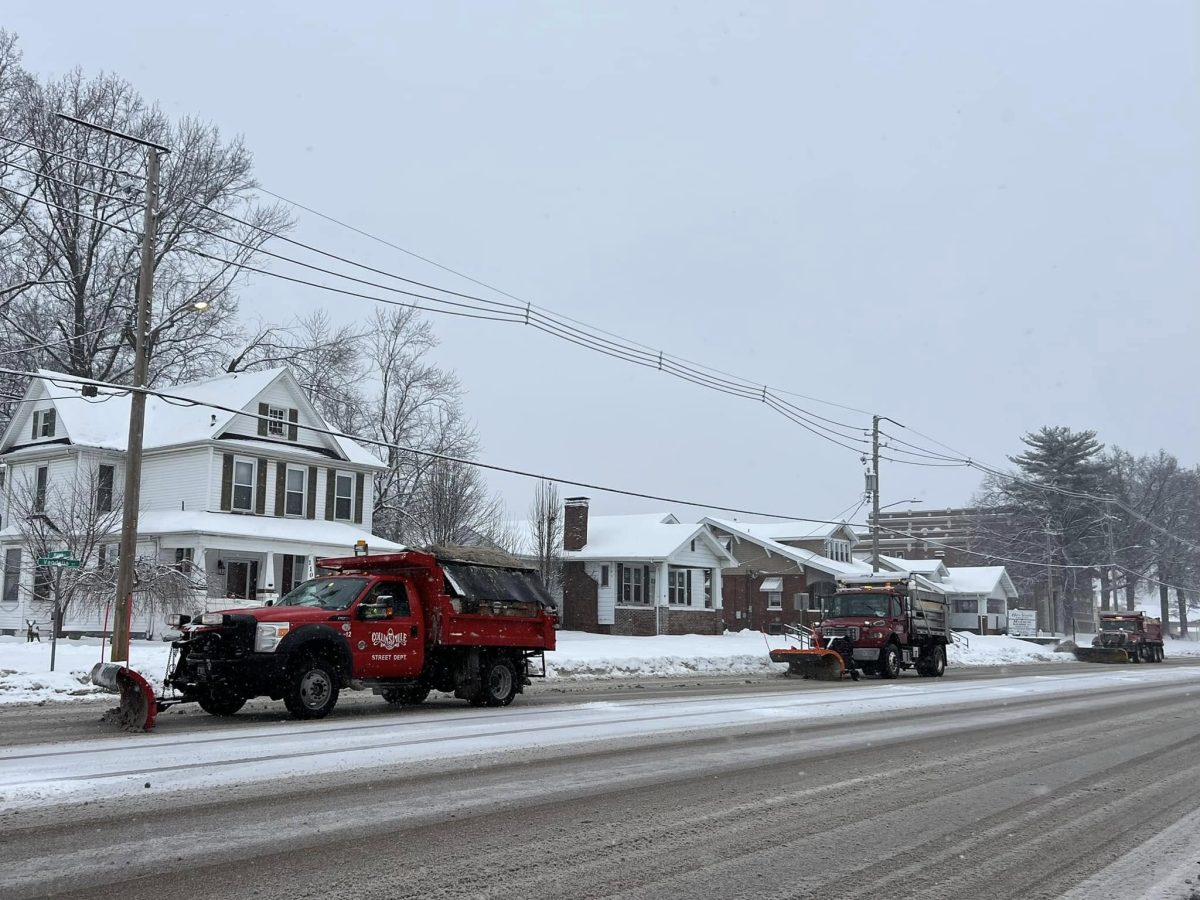
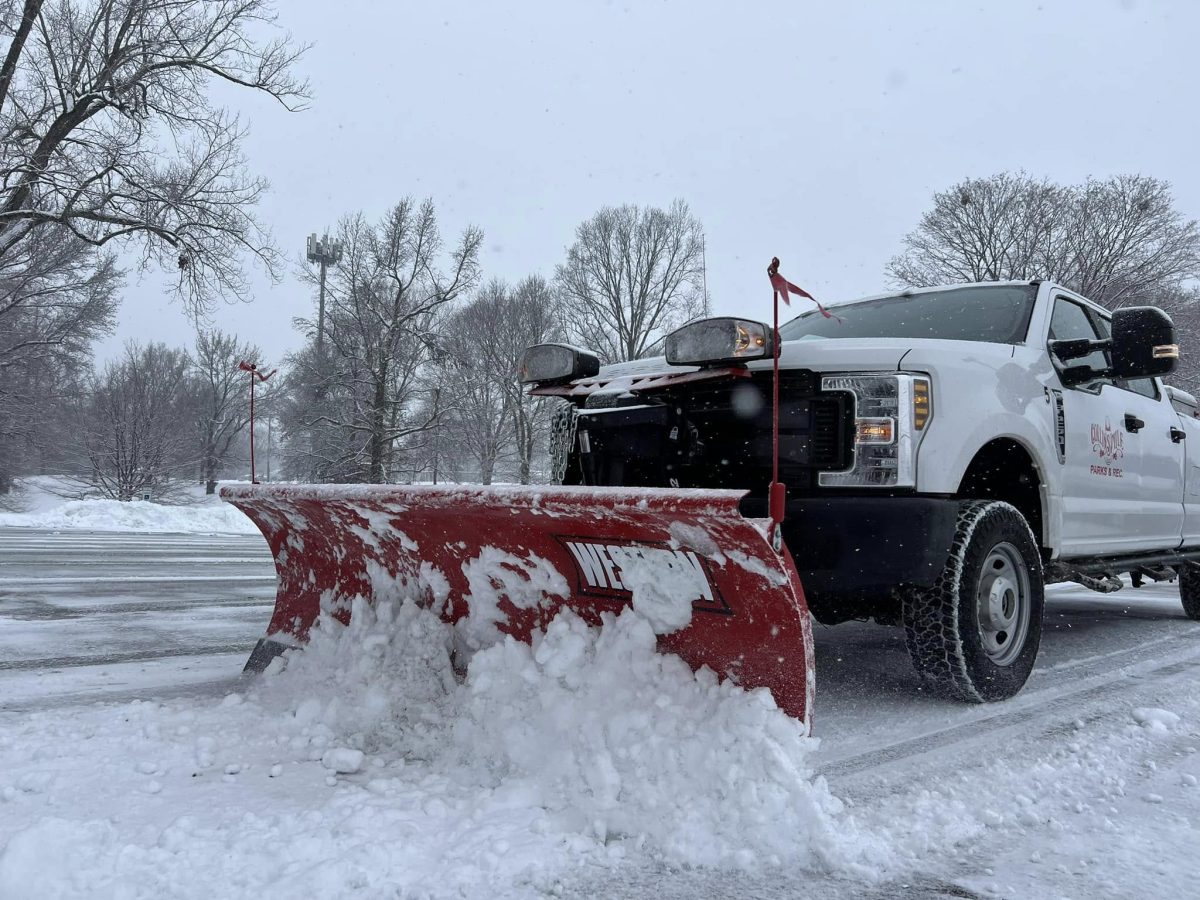
Collinsville Street Department helps return roads to safe conditions
By Devese “Dee” Ursery
With temperatures on the rise for this week in Southwestern Illinois, the aftermath from the recent winter storm had to be dealt with, with some cities dealing with it better than others.
During that severe storm, Collinsville like every other municipality in and around the area was hit hard with a barrage of snow and ice. The most affected areas in the City were Eastport and the North/South running roads, said to Public Works Director Troy Turner.
Currently Collinsville has zero streets in need of snow removal or clean-up and the streets are clear of snow & ice and are very safe to drive on. The street department worked tirelessly to improve City roadway conditions. Many of the main roadways are controlled and cleared by the Illinois Department of Transportation, which also has the responsibility of keeping the interstates in safe condition.
The biggest issue according to Turner was the duration of the storm and accumulation of snow, along with the rate in which it was falling.
“Temperature also plays a significant role, when temperatures drop below 20 degrees, the snow melting component does not melt the snow & ice efficiently,” Turner said. “And when cars are parked in the roadway, the plows cannot get all the snow off the streets curb to curb. Another smaller issue is residents shoveling snow into the street instead of the yard.”
Turner explained that main streets and steep roads are plowed first. Next, the secondary roads are plowed with the alleyways being plowed last. “However, if first responders contact the Street Department with a problem area, we take care of that right away,” Turner continued.
If four inches or less is predicted by the National Weather Service, snow melting chemicals are used. Anything above four inches, the City will plow and salt.
According to Turner the street department uses salt brine before the snow events. They also use plows with salt boxes to plow the roads. A salt with calcium chloride mixed is spread onto the roads. A motor grater is sometimes used to get hard snow and ice off the roads. Backhoes are used to remove snow piles from cul-de-sacs.
“During heavy snow events, we make two passes with a snow plow until the snow is done falling. Once the snow stopped, we will go back to plow curb to curb, and then we salt,” Turner said.
“Typically, the pass in – pass out is a 12-hour process. Curb to curb is a 24-hour process. We have 9 primary snowplows / salt trucks with one truck in reserve. The city is divided into nine routes, one for each truck. We will run two, 12-hour shifts.”