Dairy market dynamics shift as protein demand soars
 By RHIANNON BRANCH
FarmWeek • Despite historically large milk supplies, dairy markets have improved, supported by export strength and a major shift in demand toward dairy proteins.
Growth in products like ultra-filtered milk, high-protein yogurt, whey ingredients and ready-to-drink protein beverages has fundamentally changed the value mix within dairy markets, according to American Farm Bureau Federation economist Danny Munch.
“Consumers are increasingly looking for protein-rich foods, and dairy is exceptionally well positioned to meet that demand,” he told FarmWeek. “U.S. sales of ready-to-drink dairy protein shakes and nutritionals alone have climbed roughly 71% in four years.”
Exports continue to play a major role in balancing the market. U.S. butter and cheese prices remain well below many global competitors, keeping American dairy products highly competitive abroad.
“That pricing advantage helped push U.S. dairy exports to record first-quarter volumes in 2026, with especially strong growth into markets like Mexico, South Korea and Southeast Asia,” Munch said.
Strong cattle prices and high beef calf values have created an important secondary revenue stream for many dairy farms implementing beef-on-dairy breeding.
“In some cases, those calf revenues have helped offset weaker margins on the milk side of the operation and provided much-needed financial flexibility during a volatile period,” Munch said.
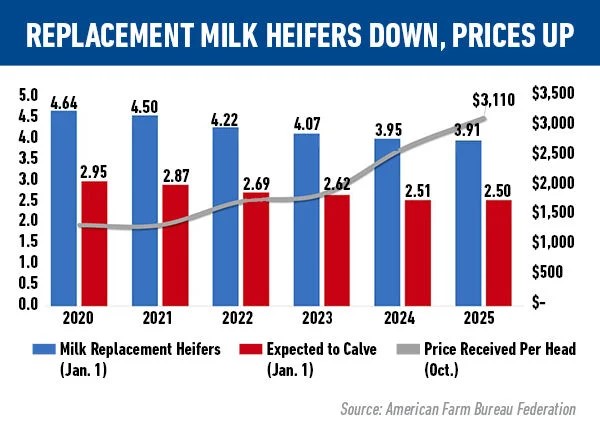
But as more dairies shift breeding decisions toward beef genetics, replacement dairy heifer supplies continue to tighten.
“We now have replacement heifer inventories near the lowest levels seen since the late 1970s even while milk cow numbers remain historically elevated,” Munch said. “That combination supports production today but could make future milk supplies more vulnerable and volatile if herd rebuilding becomes more difficult.”
These changes show dairy markets are becoming more complex and less tied to traditional supply signals alone.
“(All of these factors) have helped create a more resilient pricing environment than many anticipated heading into 2026, even in the face of substantial milk production growth,” Munch said.
Still, weather and forage conditions remain a major risk factor moving through the market. Continued drought pressure in the Western Plains could quickly raise feed costs, tighten forage supplies and slow broader herd rebuilding efforts across the cattle sector.
“Dairy farmers today are navigating a much more complex revenue environment than they were even a decade ago,” Munch said. “Strong exports, protein demand growth and beef-on-dairy revenues are helping stabilize farm income. But weather risk, volatile feed markets and structurally higher operating costs continue to keep risk management and policy modernization front and center for the industry.”
Munch said the rollout of the Whole Milk for Healthy Kids Act and recent updates to Dairy Margin Coverage (DMC) have been meaningful steps forward, but there is growing conversation about whether dairy risk management tools need modernization beyond DMC enrollment changes.
“Participation in both Dairy Margin Coverage and Dairy Revenue Protection is overwhelmingly concentrated at the highest available coverage levels, which strongly suggests farmers are running into program ceilings rather than naturally selecting those levels,” Munch said. “That’s become especially relevant as production costs and revenue volatility have changed significantly over the last several years.”
This story was distributed through a cooperative project between Illinois Farm Bureau and the Illinois Press Association. For more food and farming news, visit FarmWeekNow.com.
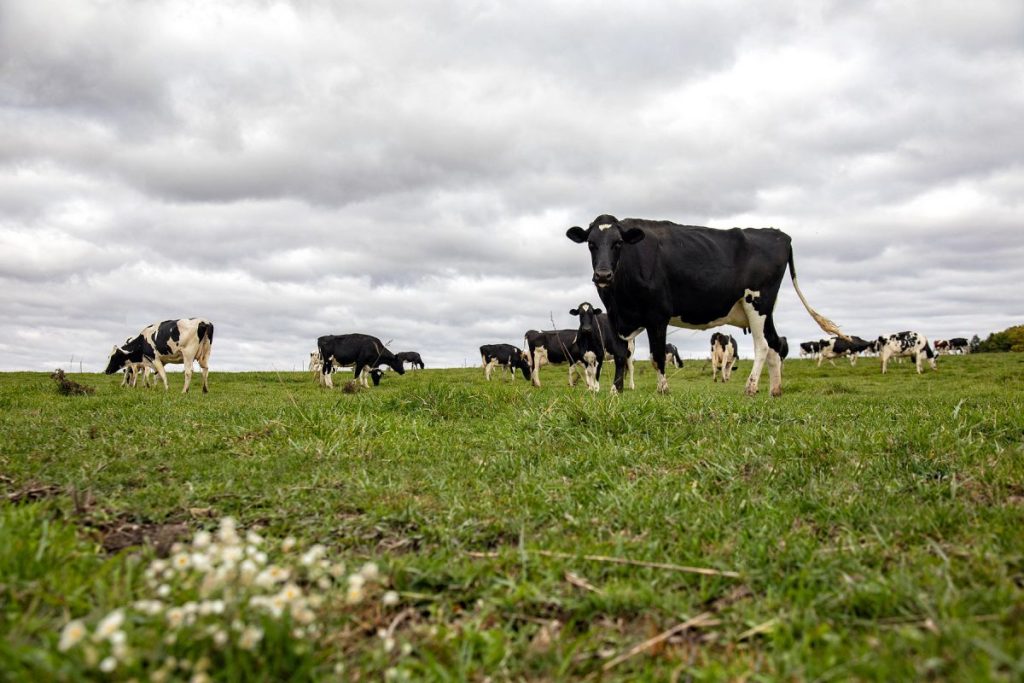
Despite historically large milk supplies, dairy markets have improved, supported by export strength and a major shift in demand toward dairy proteins.