US trade rep: renewal of deal with Mexico, Canada not a ‘rubberstamp’
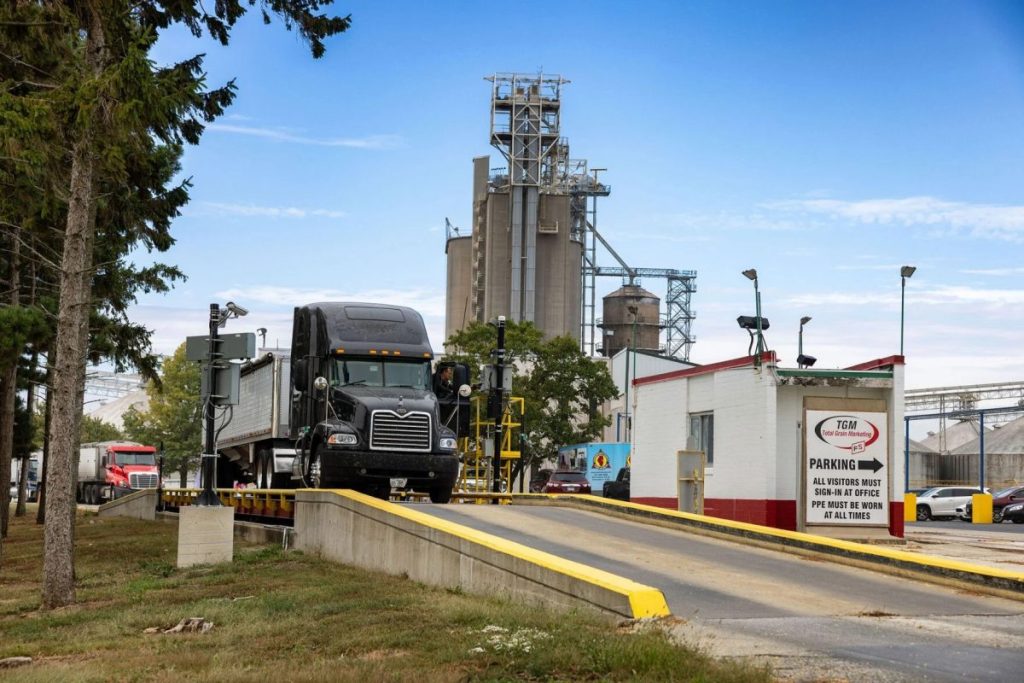
The success of Illinois agricultural exports has become dependent on market access to Canada and Mexico through tariff-free provisions, Illinois Farm Bureau noted. (Photo by Catrina Rawson of FarmWeek)
By TAMMIE SLOUP
FarmWeek
US Trade Representative Jamieson Greer said while there is value with the US-Mexico-Canada Agreement, the US will not rubberstamp the agreement with its current shortcomings.
“USTR will keep the president’s options open, negotiating firmly to resolve the issues identified, but only recommending renewal if resolution can be achieved,” according to a copy of remarks Greer delivered to the Senate Finance Committee and the House Ways and Means Committee in December.
The USMCA, which replaced the North American Free Trade Agreement, went into effect July 1, 2020, and provides for the agreement to terminate 16 years after, unless each party confirms that it wishes to continue for a new 16-year term. The countries must meet every six years to conduct a joint review.
Under the “sunset review” provision of the USMCA, all three countries must meet July 1, 2026, to determine whether they want to renew the pact. The pact would expire in 2036 unless negotiators are able to resolve any outstanding concerns in annual reviews during the next 10 years.
USMCA has been successful to a certain degree, including providing some certainty for North American trade, Greer said.
“But at the same time, it is clear that we have not achieved all of our goals with respect to strengthening US manufacturing capacity and creating good jobs, and nearly all stakeholders advocate improvements,” Greer said. “So, I don’t think we can say USMCA is an unqualified success.”
Illinois Farm Bureau submitted comments during USTR’s public consultation process last year, noting the review should focus on broadening market access opportunities while preserving the agreement’s existing benefits to support continued trade growth among the three nations.
The success of Illinois agricultural exports has become dependent on market access to Canada and Mexico through tariff-free provisions agreed to under UMSCA, IFB said. The agreement has facilitated the flow of commerce among all three countries, at a cost savings to Illinois farmers. Specifically, the sanitary and phytosanitary provisions increased transparency and ensured science-based treatment of agricultural commodities and products.
However, while Illinois farmers have seen many benefits from the agreement, IFB supports reforms that would eliminate or reduce tariff barriers, eliminate redundant regulatory costs, expedite transit across borders and hasten the resolution of disputes between members to help farmers compete. Additionally, IFB supports elimination or reduction of trade barriers of US dairy products into Canada.
The US is the world’s largest agricultural exporter, with Mexico and Canada the top export markets. Trade between all three countries has allowed agricultural exports from the US to grow to $59 billion in 2024. That same year, Illinois was the fifth-largest exporter of agricultural commodities in the country, with an estimated $4.78 billion worth of products to Mexico and Canada — approximately 39% of Illinois’ total exports.
“The success of the joint review will depend on a variety of factors, including the ambition of our USMCA partners,” Greer said.
The administration will engage with Mexico and Canada to determine which shortcomings can be addressed on a bilateral basis and which require trilateral resolution.
“I am hopeful that we will be able to announce the fruits of this ‘specific issues’ exercise, and progress on counter-cartel and fentanyl collaboration, in short order,” said Greer, who also must report to Congress by early January on plans for review, including whether the administration plans to support renewal of the agreement.
This story was distributed through a cooperative project between Illinois Farm Bureau and the Illinois Press Association. For more food and farming news, visit FarmWeekNow.com.